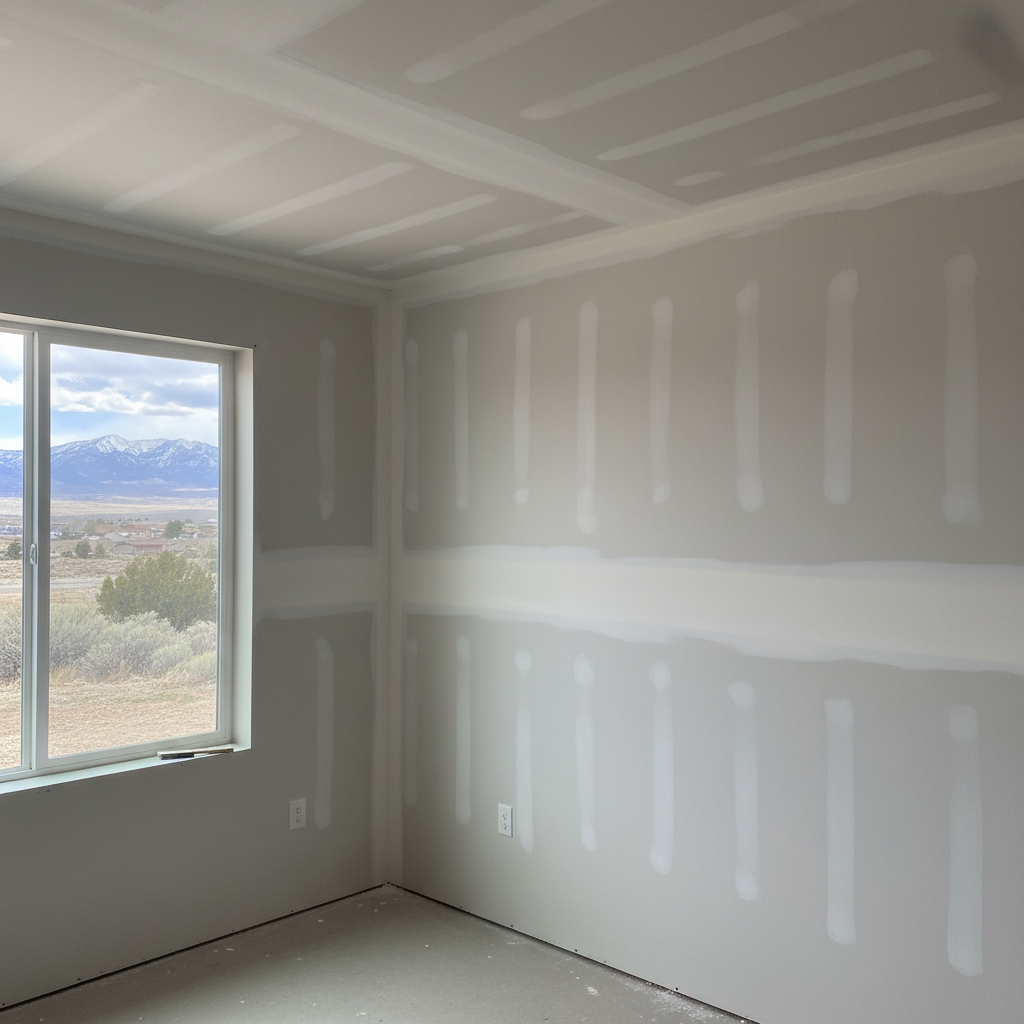
You just put in new drywall, or maybe you've been living with what's already there. Either way, you want it to last, right? It's not just about getting it installed; how you treat your sheetrock after it's up makes a huge difference in how long it holds up. And here in Provo, we've got a few specific things we really need to keep an eye on.
Make Your Drywall Last Longer
First off, think about climate control. It's your best friend. Our dry summers and cold, snowy winters mean wild temperature swings. That can make your house expand and contract, which really stresses your walls. Keeping your home's temperature and humidity as steady as possible helps a lot, believe me. A good humidifier in the winter can stop things from drying out too much, which often leads to tiny cracks, especially around doorframes and windows. In the summer? Keep that AC humming to prevent too much moisture from building up. Otherwise, you're looking at other problems we'll get into.
Beyond climate, just being careful goes a long, long way. Try not to bang furniture into walls when you're moving things around. For heavy stuff, use proper wall anchors — don't just jab a nail in there. If you're hanging a big TV, for goodness sake, make sure you're hitting a stud. It's common sense, I know, but you'd be shocked how many calls we get for damage that could have been avoided.
Regular Upkeep: What You Should Be Doing
Keeping your drywall in good shape isn't brain surgery, but it does mean being consistent. First, keep it clean. Dusting your walls, especially in busy spots, stops grime from piling up. If your walls are painted, a gentle wipe with a damp cloth and a little mild soap (always test it somewhere hidden first!) can take care of scuffs and marks. Just don't scrub too hard, or you'll wear right through the paint.
Check your walls every so often. I'm talking maybe once or twice a year, like when you're doing your spring cleaning or getting ready for winter. Look closely at corners, around windows and doors, and where the ceiling meets the wall. See any new cracks? Any weird discoloration? Catching small issues early is always, always better than waiting for them to turn into big headaches.
Oh, and check your caulking too. Around tubs, showers, and even window frames, old caulk can dry out and crack. That lets moisture sneak behind the drywall, which is a major no-no. Re-caulking is a simple, cheap fix that can save you a ton of trouble down the road.
Signs of Trouble to Watch For
Alright, so what exactly should you be looking for? Here's what I tell everyone:
- Cracks: Small hairline cracks often just mean the house is settling, especially in older homes in places like the Joaquin neighborhood. But if cracks are wide, jagged, or growing fast, that's a serious warning sign.
- Discoloration or Stains: Yellow, brown, or dark spots usually point to water. And that's serious business. It could be a leaky pipe, a roof problem, or even just condensation. Don't ignore it.
- Soft Spots or Bulges: If you push on the wall and it feels soft or spongy, or if there's a noticeable bulge, that's almost always water damage or moisture getting in.
- Peeling Paint or Wallpaper: Yep, this is often another sign of moisture. The paint or paper just loses its grip on the drywall.
- Musty Odors: You can't always see mold, but you can often smell it. If you catch a persistent musty smell, especially near a wall, you might have mold growing behind the sheetrock.
Our soil here in Provo, with its clay content, can expand and contract when moisture levels change. That puts stress on foundations and, by extension, your interior walls. So, don't just brush off cracks as 'normal settling' without taking a closer look.
When to Call a Pro
Look, some things you can absolutely handle yourself. A tiny nail hole patch? Go for it. A scuff mark? Clean it right up. But when you spot those warning signs I just mentioned, especially anything that screams water or structural problems, that's when you pick up the phone. Don't try to DIY a major water damage repair or a big structural crack. You could make it worse, or even miss the real problem hiding underneath.
If you're dealing with lots of cracks, significant water stains, soft spots, or you suspect mold, give us a call at Charis Drywall Solutions. We've seen it all, trust me, and we can properly figure out what's going on and get it fixed right. It's always smarter to get a professional opinion when the integrity of your walls is on the line.